مطالعات ادبیات شیعی

مطالعات ادبیات شیعی

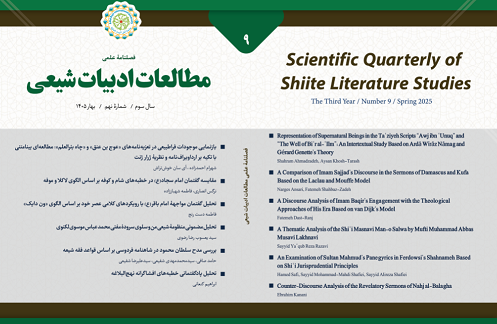
مقایسه گفتمان امام سجاد (ع) در خطبه های شام و کوفه بر اساس الگوی لاکلا و موفه

نوع مقاله : مقاله پژوهشی

نویسندگان
1 دانشیار گروه زبان و ادبیات عربی دانشکده ادبیات و علوم انسانی، دانشگاه بین المللی امام خمینی (ره)
2 کارشناس ارشد دانشگاه بین المللی امام خمینی
10.22034/ssl.2026.2090935.1084
چکیده
نظریه لاکلا و موفه با ایجاد یک مدل مفهومی جدید و نظام‌مند، امکان تحلیل عمیق‌تر پدیده‌های اجتماعی و سیاسی را فراهم می‌کند و ابزاری کارآمد برای بررسی کنش‌ها و ساختارهای گفتمانی خواهد بود. پژوهش حاضر به تحلیل گفتمان انتقادی دو خطبه‌ امام سجاد (ع)در کوفه و شام می‌پردازد. هدف اصلی، واکاوی چگونگی شکل‌گیری، ساختار و پیامدهای گفتمانی این خطبه‌های روشنگرانه با استفاده از چارچوب نظری لاکلا و موفه است. خطبه‌های ایشان، حاوی مضامین عمیق سیاسی، اجتماعی و اخلاقی هستند که در بستر تاریخی و اجتماعی آن دوران، نقش بسزایی در افشای حقیقت و تبیین جایگاه اهل بیت (ع) ایفا نمودند. روش تحقیق حاضر، کیفی و مبتنی بر تحلیل محتوای اسنادی و متنی خطبه‌ها است. در این راستا، مفاهیم کلیدی نظریه لاکلا و موفه، از جمله «دال مرکزی»، « هژمونی»، « ساختارشکنی »، « وقته‌های گفتمانی» و ... به کار گرفته شده است تا چگونگی مواجهه گفتمان مقاومت و حق‌طلبی با گفتمان حاکم و سرکوبگر زمانه مورد بررسی قرار گیرد. تحلیل‌ها نشان می‌دهند که چگونه حضرت سجاد (ع) با استفاده از ابزارهای بلاغی و استراتژی‌های گفتمانی مؤثر، توانستند ضمن حفظ و انتقال پیام عاشورا، وجدان جامعه را بیدار کرده و اعتبار مشروعیت‌زدایی شده خاندان پیامبر (ص) را بازسازی کنند. این خطبه‌ها، نه تنها در زمان خود، بلکه در طول تاریخ، به عنوان بستری برای فهم عمیق‌تر واقعه کربلا و مبارزه با ظلم و فساد عمل کرده‌اند.
کلیدواژه‌ها
موضوعات

عنوان مقاله English

Comparing the discourse of Imam Sajjad (AS) in the sermons of Sham and Kufa based on the model of Lakla and Mofe

نویسندگان English

narges ansari 1
fatemah shahbazzadeh 2
1 Associate Professor, Department of Arabic Language and Literature, Faculty of Literature and Humanities, Imam Khomeini International University (RA).
2 Master's degree from Imam Khomeini International University
چکیده English

The theory of Lakla and Mofe, by creating a new and systematic conceptual model, provides the possibility of a deeper analysis of social and political phenomena and will be an efficient tool for examining discursive actions and structures. The present study analyzes the critical discourse of two sermons of Imam Sajjad (AS) in Kufa and Sham. The main goal is to analyze the formation, structure and discursive consequences of these enlightening sermons using the theoretical framework of Lakla and Mofe. His sermons contain deep political, social and moral themes that, in the historical and social context of that era, played a significant role in revealing the truth and explaining the position of the Ahl al-Bayt (AS). The present research method is qualitative and based on the analysis of the documentary and textual content of the sermons. In this regard, the key concepts of Laclau and Mouffe's theory, including "central sign", "hegemony", "deconstruction", "discursive moments", etc., have been used to examine how the discourse of resistance and justice confronts the dominant and oppressive discourse of the time. The analyses show how Hazrat Sajjad (AS), using rhetorical tools and effective discourse strategies, was able to preserve and convey the message of Ashura, awaken the conscience of society, and restore the delegitimized credibility of the Prophet's family (PBUH). These sermons, not only in their time, but also throughout history, have served as a platform for a deeper understanding of the Karbala event and the fight against oppression and corruption.

کلیدواژه‌ها English

Imam Sajjad (AS)
sermon
Damascus
Kufa
critical discourse analysis
Lakla and Mofe